how does insulin lower blood glucose levels Diabetes type blood insulin biology glucose cell glucagon levels disease exercise regulating diagram
Today, let’s talk about the important topic of insulin and glucose regulation in our body. The reason why this is so important is because it essentially controls our energy levels and affects our overall health and well-being.
Insulin and Glucose Release Regulation
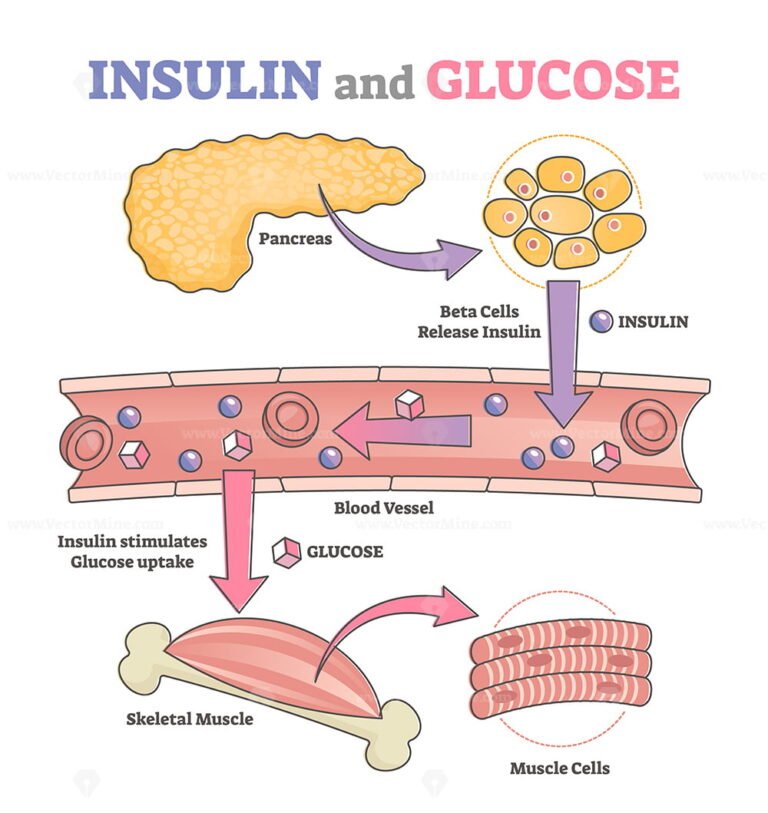 The image above shows the regulation of insulin and glucose release in our body. Insulin is a hormone produced in the pancreas that regulates glucose levels in the blood. When we eat, our body breaks down the food into glucose, which is then absorbed into the bloodstream. This increase in glucose levels signals the pancreas to release insulin, which then helps to lower the glucose levels by allowing the cells in our body to absorb the glucose for energy.
Regulation of Blood Glucose Levels
 The second image above shows the regulation of blood glucose levels by insulin and glucagon. Glucagon is another hormone produced in the pancreas, but it has the opposite effect of insulin. When our blood glucose levels are low, such as when we haven’t eaten in a while, the pancreas releases glucagon. This hormone signals the liver to break down glycogen, a stored form of glucose, into glucose and release it into the bloodstream, thereby increasing our blood glucose levels.
It’s important to maintain a balance between insulin and glucagon to regulate our blood glucose levels properly. If our body becomes insulin resistant, which can happen due to a variety of factors such as an unhealthy diet, lack of exercise, or genetics, our cells don’t respond to insulin properly and the glucose remains in the blood. This can lead to a host of health issues, such as high blood sugar, diabetes, and heart disease.
On the other hand, if our body produces too much insulin, such as in cases of hypoglycemia or insulinoma, our blood glucose levels can drop too low, which can lead to symptoms such as confusion, dizziness, and even loss of consciousness.
Therefore, it’s important to maintain a healthy lifestyle that includes a balanced diet, regular exercise, and proper medical care to ensure that our insulin and glucose regulation is functioning properly. By doing so, we can maintain our energy levels, prevent health problems, and lead a happy and healthy life.
If you are looking for Medical and Health Science: Glucose & Insulin Cycle!! you’ve came to the right place. We have 5 Images about Medical and Health Science: Glucose & Insulin Cycle!! like Insulin and glucose release regulation educational scheme outline, Medical and Health Science: Glucose & Insulin Cycle!! and also Insulin and glucose release regulation educational scheme outline. Read more:
Medical And Health Science: Glucose & Insulin Cycle!!
 mhs-resetsg.blogspot.comglucose insulin
Type 2 Diabetes - Cell Biology - Cell Biology Of Disease And Exercise
 pt851.wikidot.comdiabetes type blood insulin biology glucose cell glucagon levels disease exercise regulating diagram
2: Regulation Of Blood Glucose Levels By Insulin And Glucagon. When
www.researchgate.netglucose insulin glucagon regulation glycogen muscle hormones postprandial fasting bloodstream cells uptake pancreatic
Insulin And Glucose Release Regulation Educational Scheme Outline
vectormine.cominsulin glucose insulina regulation rilascio glycogen glucosio uptake pädagogisches entwurfs entwurfskonzept concetto educativo regolamento vectormine cellula mischen bewegliche anatomical
Best 25+ Lower Insulin Levels Ideas On Pinterest | A1c Levels, Lower
 www.pinterest.cainsulin naturally chart a1c
Glucose insulin glucagon regulation glycogen muscle hormones postprandial fasting bloodstream cells uptake pancreatic. Diabetes type blood insulin biology glucose cell glucagon levels disease exercise regulating diagram. Glucose insulin